Artificial Turf vs. Natural Grass in Seattle: The 10-Year Math
A side-by-side comparison of artificial turf and a natural lawn in the Seattle area — upfront cost, ongoing cost, maintenance, and what your yard actually looks like in February.
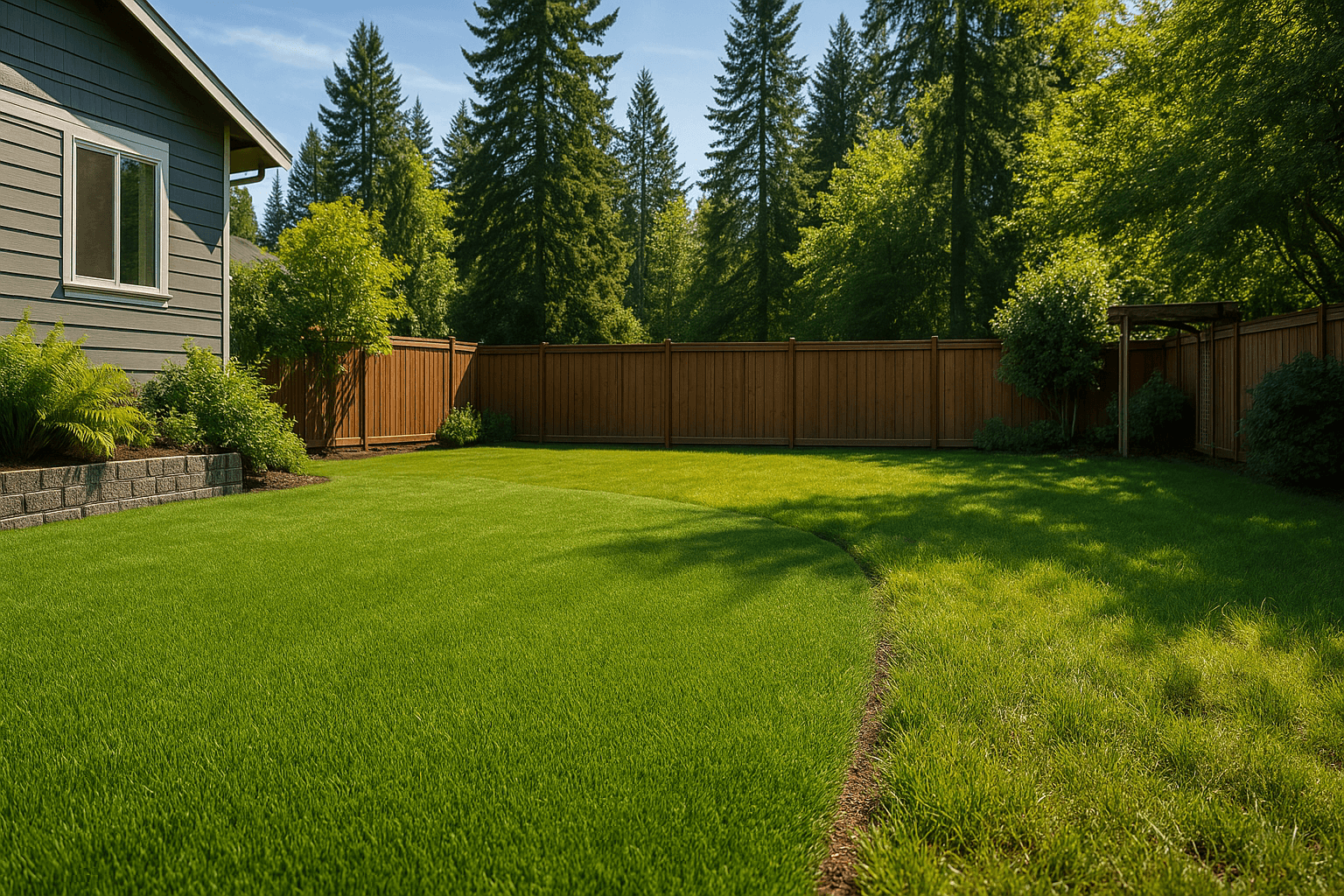
Artificial turf and natural grass each have their own unique benefits and drawbacks when it comes to installing and maintaining a lush lawn in Seattle. When considering the decision of artificial turf vs natural grass, it's important to look at both the short-term costs and the long-term benefits to determine which option is best for your home or property.
Upfront Cost: Sod/Seed vs. Turf
The initial cost difference between installing natural grass and artificial turf can seem steep. With natural grass, homeowners typically need to choose between laying sod or planting seed, both of which usually require significant time and resources to establish. On the other hand, artificial turf may come with a higher upfront installation cost, but it's built to last through many years of use without the need for replanting.
- Natural Grass: The cost of sod or seed is generally lower initially, but this doesn't account for the labor and materials needed to prepare the ground, plant, and start the grass.
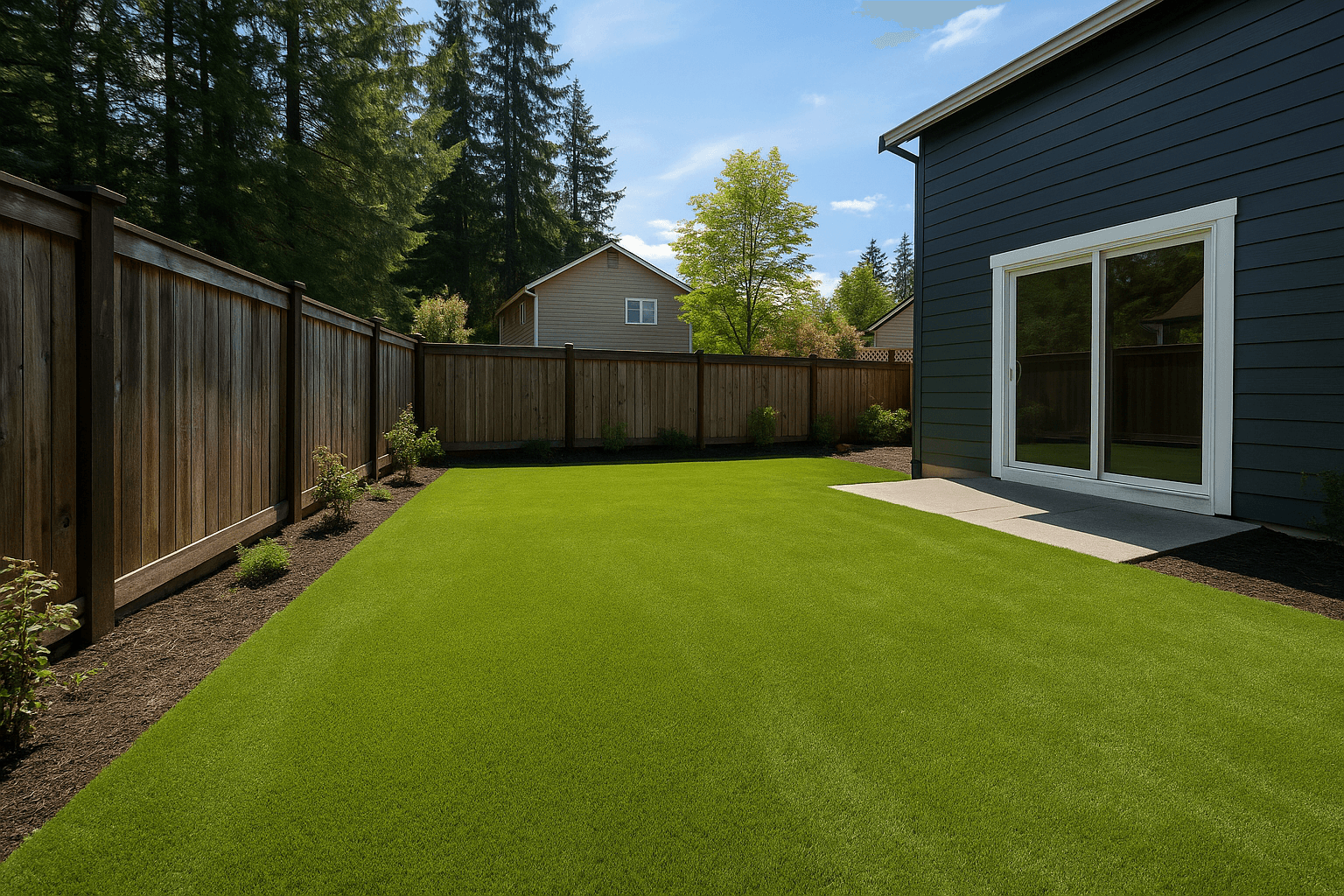
- Artificial Turf: Installation includes preparing the ground, laying the turf, and ensuring proper drainage. This may cost more initially but is balanced against future savings in maintenance.
Annual Costs: Water, Mowing, Fertilizer, Moss Control, Reseeding
The Seattle climate, known for its rainy days and mild, wet winters, plays a significant role in the ongoing maintenance costs of natural grass. Most Seattle yards require regular mowing, reseeding, and moss control, which can quickly add up in both time and money.
- Water: Natural grass typically requires regular watering, especially during the drier summer months. In contrast, artificial turf conserves water, helping reduce utility bills.
- Mowing and Maintenance: Regular mowing, fertilizing, and aerating natural grass are necessary to keep it healthy. Artificial turf requires minimal upkeep, usually just an occasional rinse and check for any settling seams or debris.
- Moss and Pest Control: Seattle's damp environment often leads to moss growth in natural lawns, requiring treatment. Artificial turf doesn't support moss or pests, saving homeowners further headache and expense.
The 10-Year Total Cost of Ownership
To better understand the financial implications, consider the 10-year total cost of ownership:
| Cost Component | Natural Grass | Artificial Turf |
|---|---|---|
| Initial Installation | Lower | Higher |
| Water Costs | Higher | Lower |
| Mowing & Maintenance Costs | Higher | Lower |
| Reseeding and Repair | Possible | Rare |
| Moss Control & Treatments | Often | Never |
| Total Estimated 10-Year Cost | High | Stabilized |
Maintenance Hours Per Year
Artificial turf dramatically reduces the number of hours homeowners must devote to lawn care annually. Without the need for mowing, watering, and regular maintenance, artificial turf frees up your weekends for more leisure activities.
- Natural Grass: Expect to spend considerable hours each month on lawn upkeep.
- Artificial Turf: Minimal time is required beyond the occasional cleaning.
Appearance Through a PNW Winter
Seattle's winters can be wet and muddy, often turning natural grass lawns into slippery swamps that brown and deteriorate. Artificial turf maintains its vibrant appearance year-round, designed to withstand the sogginess and stay durable.
- Natural Grass: Susceptible to mud patches, browning, and requiring significant springtime rehab.
- Artificial Turf: Resilient through winter; no mud and minimal maintenance to keep looking fresh.
The Verdict by Yard Type
When weighing artificial turf vs natural grass options, assess the specific needs of your yard:
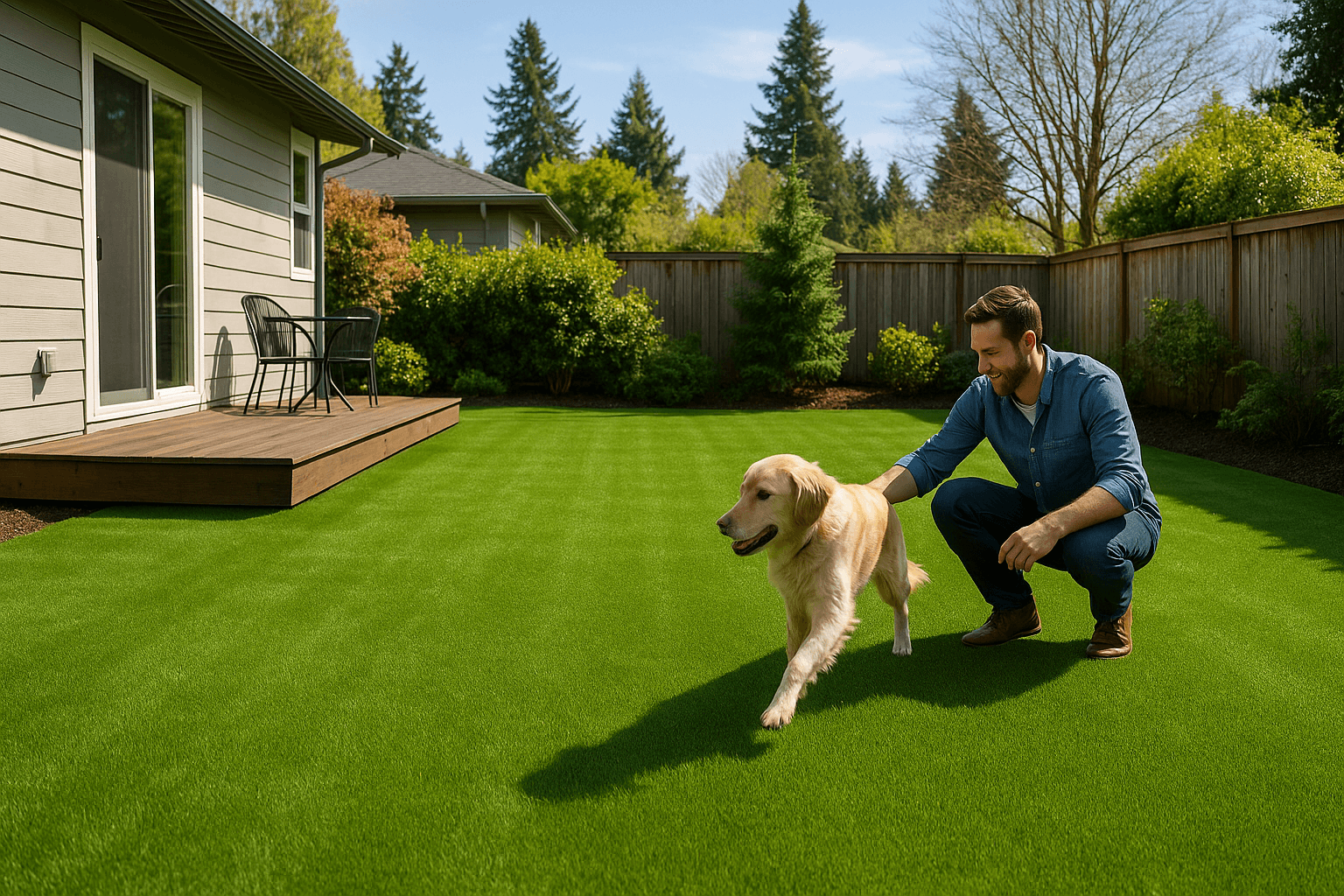
- High-Traffic Areas: Artificial turf is ideal for families with children or pets, ensuring durability without the mud.
- Shaded or Heavily Treed Yards: If moss is a perpetual problem, turf might save on treatments and still look impeccable.
- Eco-Friendly Concerns: While synthetic, artificial turf minimizes water use and chemical runoff from fertilizers and pesticides associated with traditional grass.
With these factors in mind, choosing the best option for your Seattle property becomes a balance between initial investment, long-term costs, and how much you value your time and the reliability of a green lawn through all seasons. Consider visiting our services page for more details on artificial lawns and to schedule a free estimate for your home.
Tags
- #artificial grass vs real grass
- #turf vs sod cost
- #fake grass vs real grass seattle